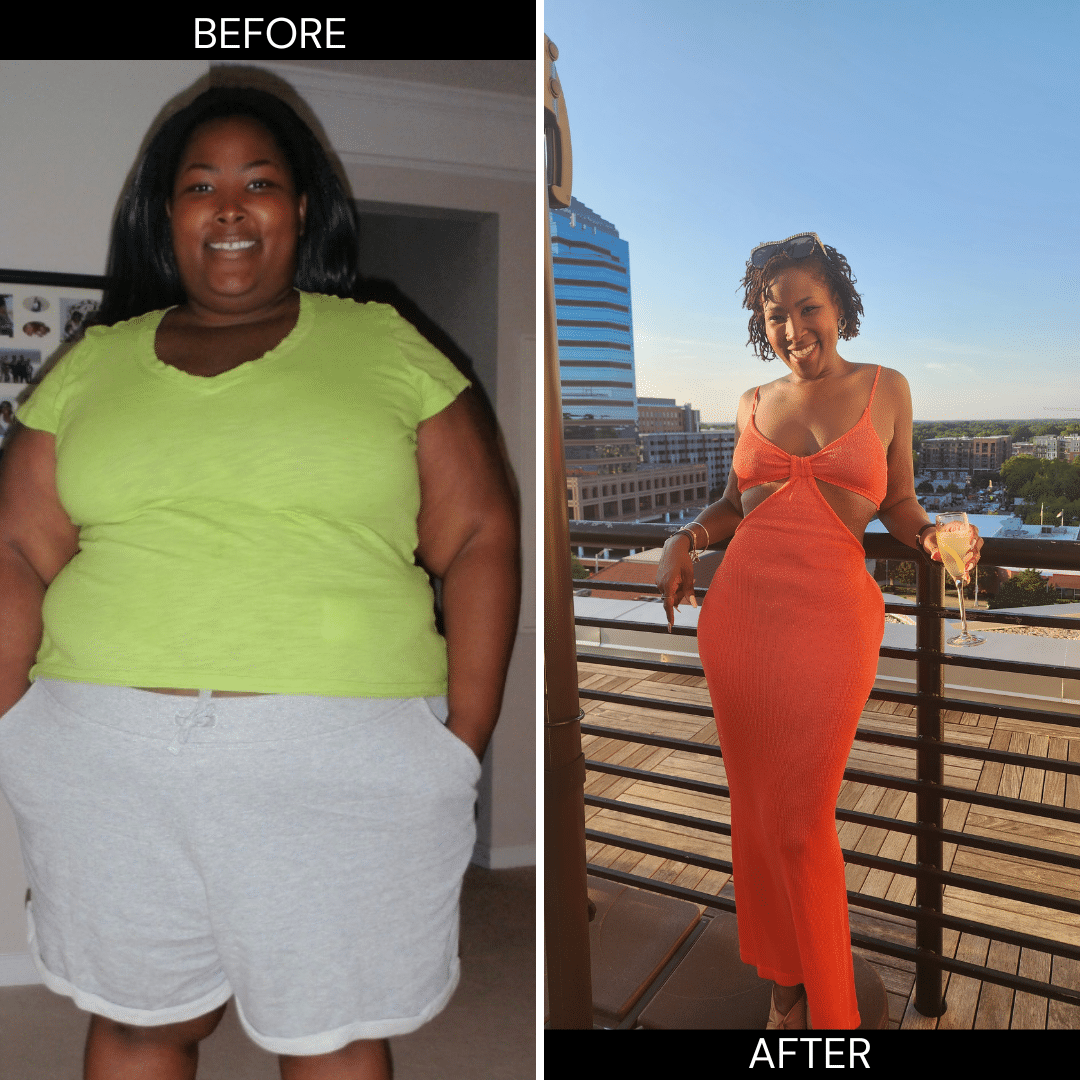
Transforming Health Through Surgical Weight Loss Solutions
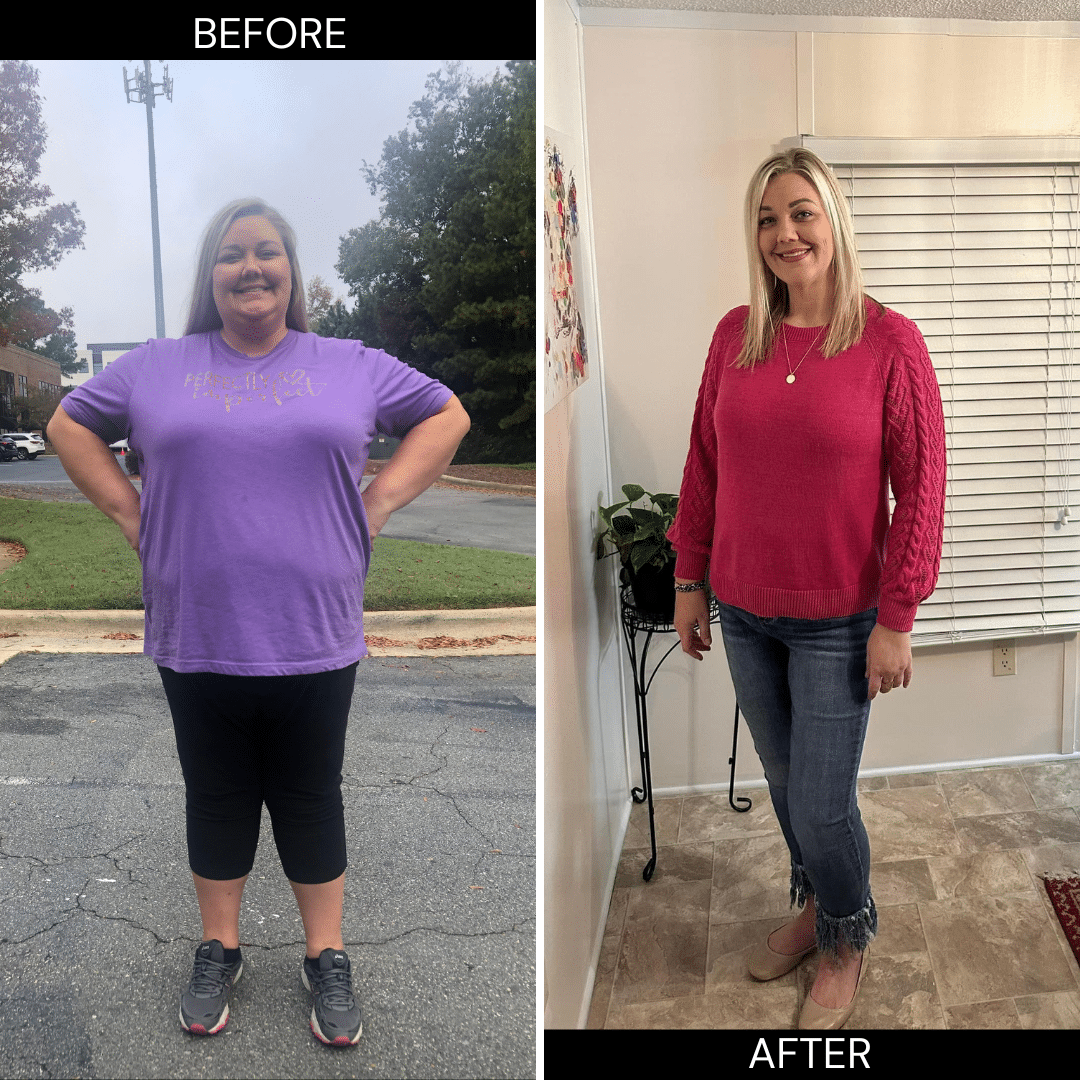
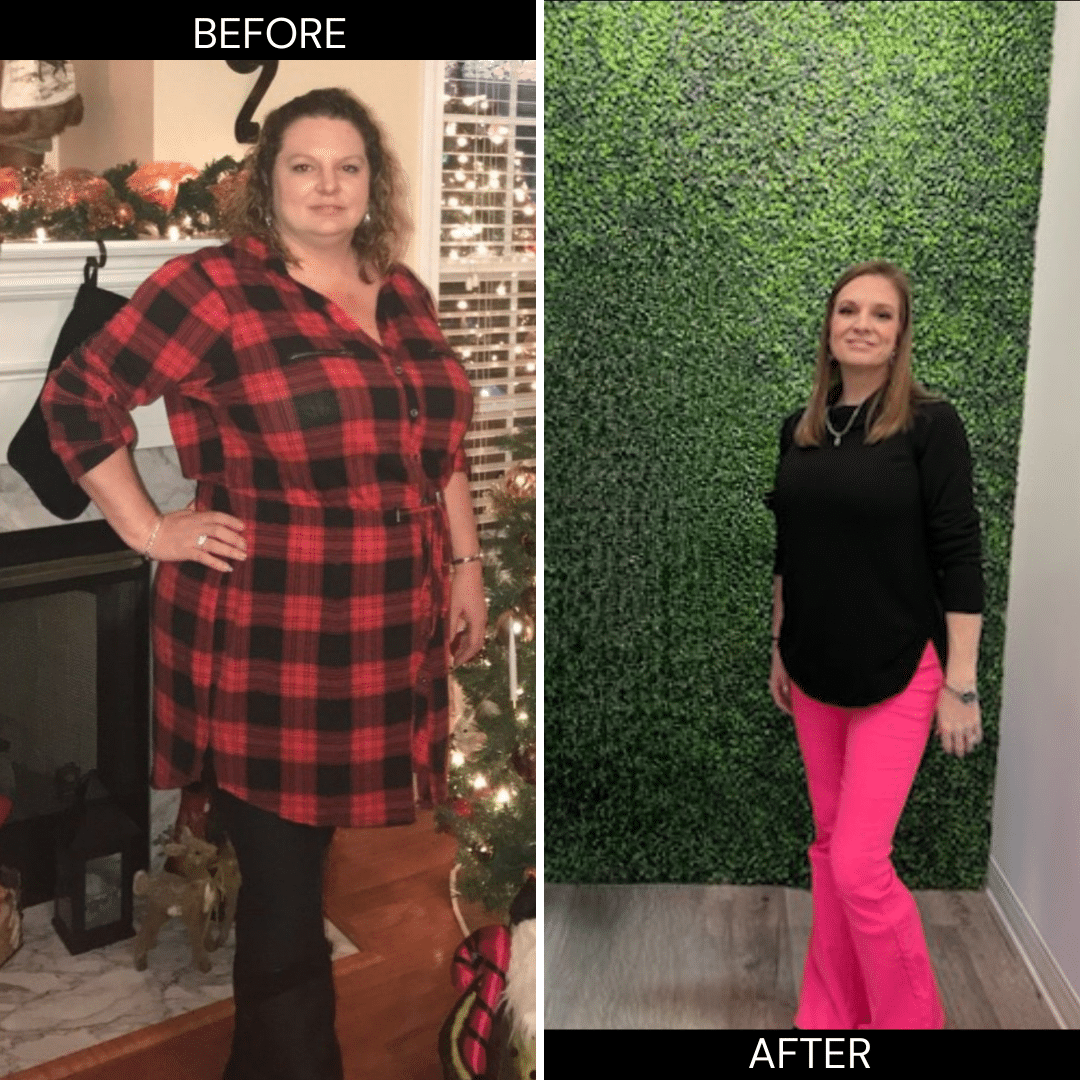
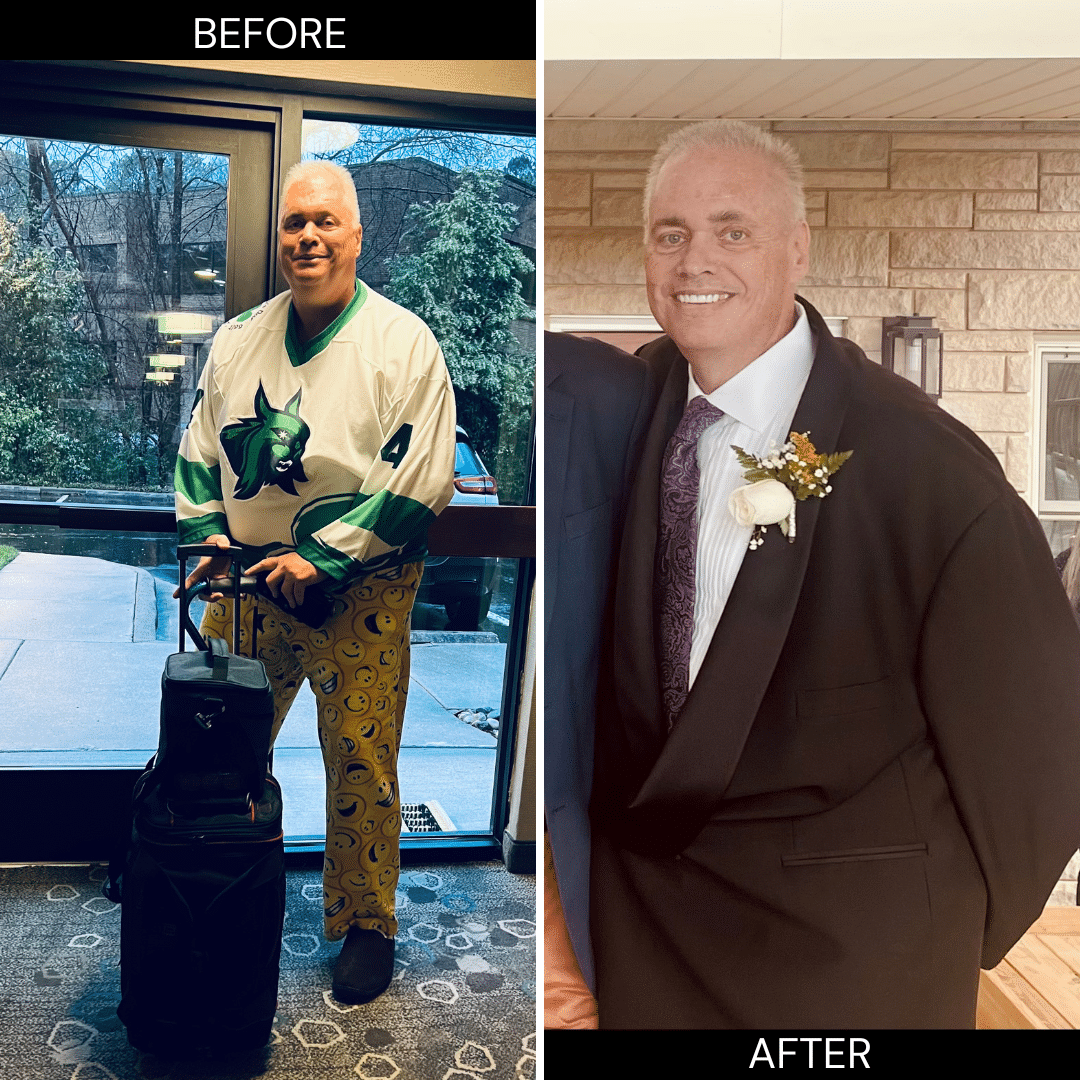
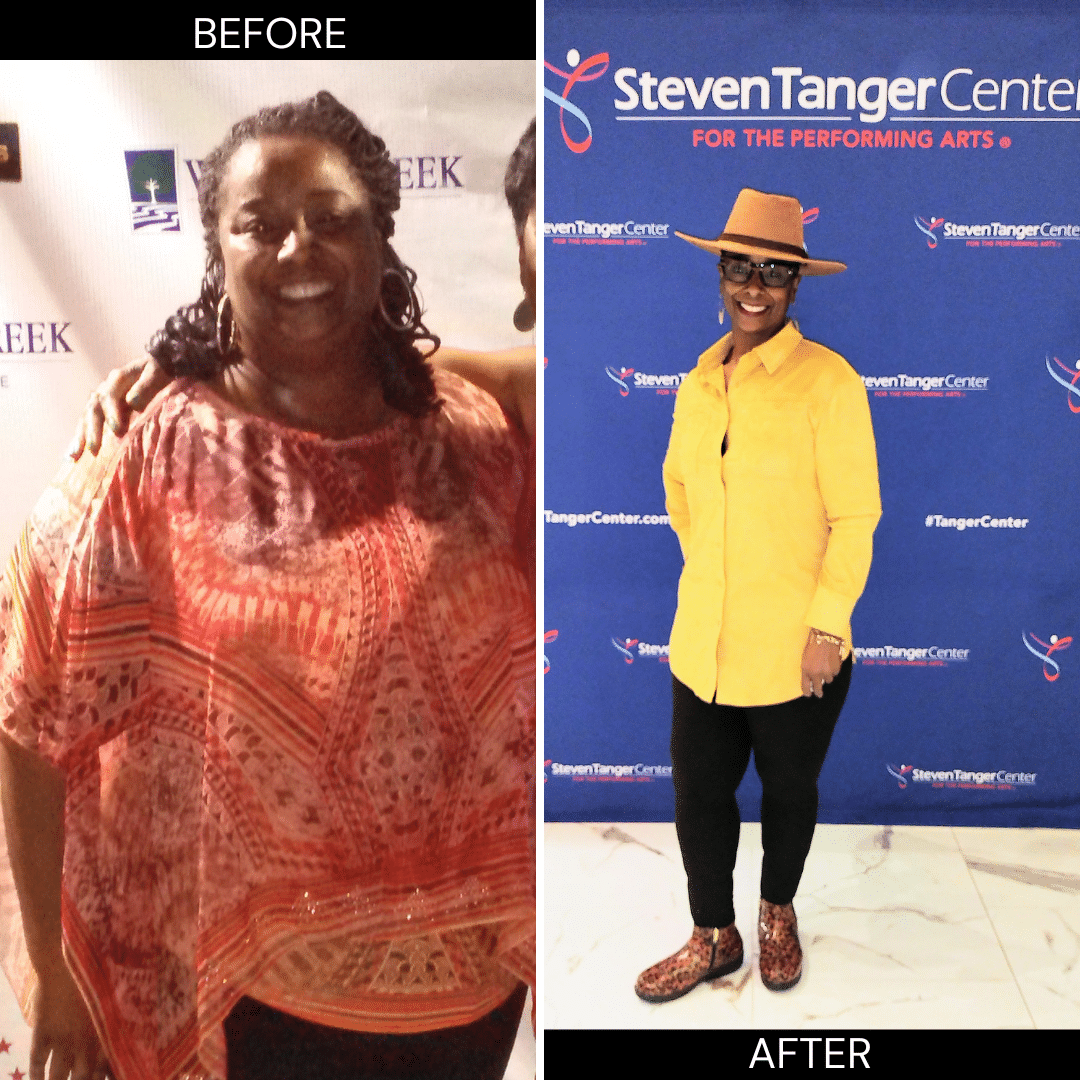
At Bruce Wellness and Aesthetics, our surgical weight loss program is dedicated to helping individuals achieve their health goals through comprehensive, personalized support and advanced bariatric procedures. From the initial consultation to long-term follow-up care, we guide you every step of the way to help you regain health, confidence, and a higher quality of life.
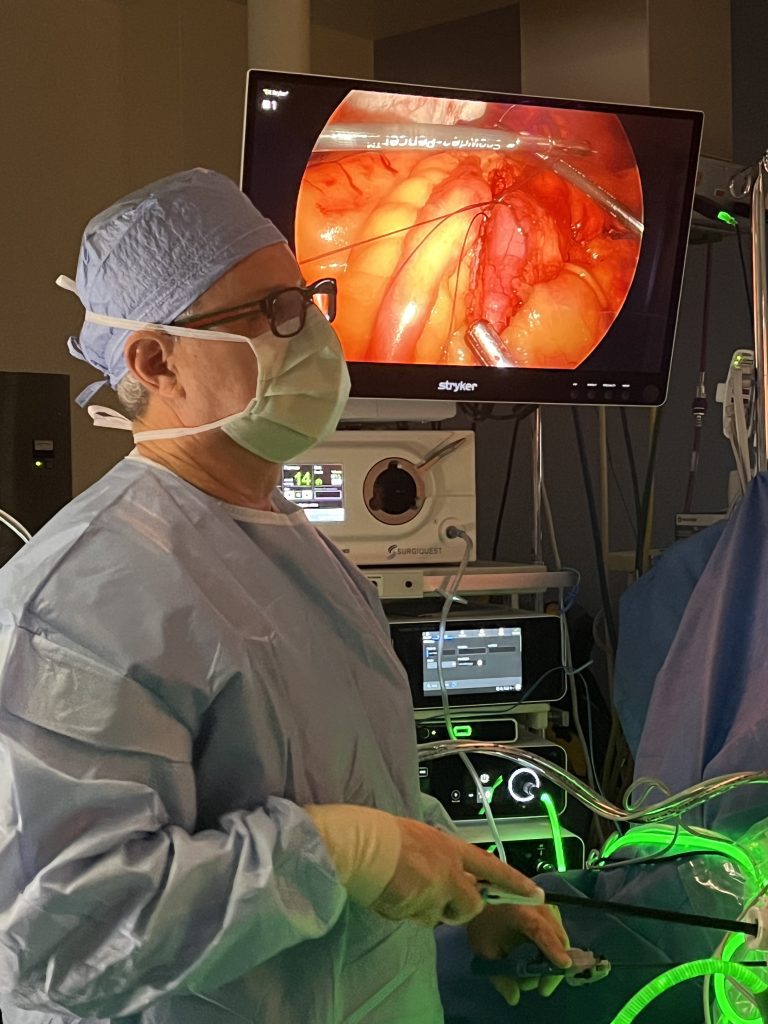
Not all surgeons are created equal, and the same is true for surgeries. Dr. Bruce has spent the past two decades honing his expertise in weight loss surgery. While most programs in the United States offer only sleeve gastrectomy and gastric bypass, Dr. Bruce has incorporated the SADI and Duodenal Switch into his practice, observing significantly superior weight loss and less weight regain compared to the sleeve and bypass in select patients. By providing additional options, your care can be more precisely tailored to your needs. As your surgeon, Dr. Bruce will meet with you during your very first visit and remain involved in all phases of your care to ensure optimal outcomes every step of the way, helping you regain health, vitality, and confidence!
Surgical Weight Loss Program at Bruce Wellness and Aesthetics
Surgical weight loss involves various procedures designed to help individuals lose weight by altering the digestive system, often through reducing stomach size or modifying nutrient absorption. These surgeries assist with significant, sustainable weight reduction, which can improve or resolve obesity-related health conditions such as diabetes, hypertension, and sleep apnea. By limiting food intake and, in some cases, altering digestion, surgical weight loss creates a pathway for long-term weight management that is difficult to achieve with diet and exercise alone. This approach is tailored to each patient, considering their health goals, BMI, and specific medical needs. Surgical weight loss at Bruce Wellness and Aesthetics is conducted with a comprehensive support plan, ensuring patients have the guidance, resources, and follow-up care needed for lasting success.
The sleeve gastrectomy procedure involves removing a large portion of the stomach, leaving a tube-shaped “sleeve.” This significantly reduces the stomach’s size, limiting food intake while also influencing hunger-regulating hormones. Patients often experience substantial weight loss due to the smaller stomach size and reduced appetite. This procedure is less complex than other bariatric surgeries, making it a popular choice. It also helps improve metabolic health, making it effective for weight loss and related health conditions.
Single Anastomosis Duodeno-Ileal Bypass with Sleeve Gastrectomy (SADI-S)
SADI-S combines sleeve gastrectomy with a single bypass of the small intestine, reducing both stomach capacity and nutrient absorption. This dual approach promotes long-term weight loss while minimizing nutrient deficiencies. Patients experience significant improvements in health conditions related to obesity, such as diabetes and high blood pressure. SADI-S is particularly effective for individuals with high BMI who need a robust weight loss intervention. This procedure is highly customizable, allowing it to be tailored to individual health needs.
Gastric Bypass
Gastric bypass surgery involves creating a small pouch from the stomach and directly connecting it to the small intestine. This reduces stomach capacity and limits calorie absorption, leading to sustained weight loss. Gastric bypass has a proven track record for long-term success, especially in patients with severe obesity and related health conditions. It is highly effective for improving conditions such as type 2 diabetes and sleep apnea. This procedure involves both restriction and malabsorption, creating a powerful combination for lasting weight management.
Duodenal Switch
The duodenal switch procedure combines sleeve gastrectomy with an intestinal bypass to significantly reduce calorie and fat absorption. This comprehensive approach promotes significant, sustainable weight loss and is particularly effective for those with a high BMI. Patients experience profound improvements in metabolic conditions such as diabetes, high cholesterol, and hypertension. Duodenal switch offers long-term weight stability, especially when paired with lifestyle adjustments. It is known for its powerful impact on metabolic health and overall wellness.
Revisional Bariatric Surgery
Revisional bariatric surgery is available for patients who have had previous weight loss surgery but may need adjustments to optimize results or address complications. This includes modifying previous procedures, such as adjusting a gastric sleeve or converting one type of bariatric surgery to another. Revisional surgery is customized to address each patient’s unique challenges and health goals. This option offers renewed weight loss opportunities for those struggling after their initial surgery. It is also ideal for individuals who have developed new or recurring health issues post-surgery.
If my insurance company does not cover the surgery, do you offer other finance options?
Yes! We offer self-pay options that can be financed in a variety of ways.
02
How long will it be before I can return to normal daily activities?
Typically 2 weeks. Most people return to work within a couple weeks, with lifting restrictions of 15 pounds for several weeks.
03
How do I know which surgery is best for me?
Consultation with Dr. Bruce. During your initial appointment, you and Dr. Bruce will discuss your health goals, data, and surgical options to determine the best procedure for your needs.
04
How long will I be in surgery?
Between 30 and 90 minutes. Surgery time varies depending on the procedure.
05
How many nights will I be in the hospital?
One to two nights. Most patients stay between one and two nights post-surgery.
06
Will you recommend a surgeon for reconstructive surgery after weight loss?
Yes. Dr. Bruce has relationships with reputable cosmetic surgeons, though wait times may vary from 6 to 18 months post-surgery.
07
Will I have excess skin?
Possibly. Excess skin after weight loss surgery is common but varies among individuals.
05
How soon after surgery can I begin exercising?
Two weeks for walking. Light cardio can start after two weeks, with weight lifting and core exercises commencing after six weeks if tolerated well.
Dietitian Services
We work closely with dietitians and nutrition consultants to ensure optimal support for our patients. While these services are most commonly utilized by our medical and surgical weight loss patients, anyone can be referred for assistance. Our collaboration extends to local labs to complete orders that identify potential health outliers impacting weight loss success.
For surgical patients, we perform comprehensive preoperative lab draws to ensure all levels are within an acceptable range, setting the stage for a successful procedure. Postoperative labs are conducted as needed to monitor health and nutrition. While surgical follow-ups are recommended at two weeks, three months, six months, and annually, patients are welcome to schedule visits anytime for concerns or additional support.
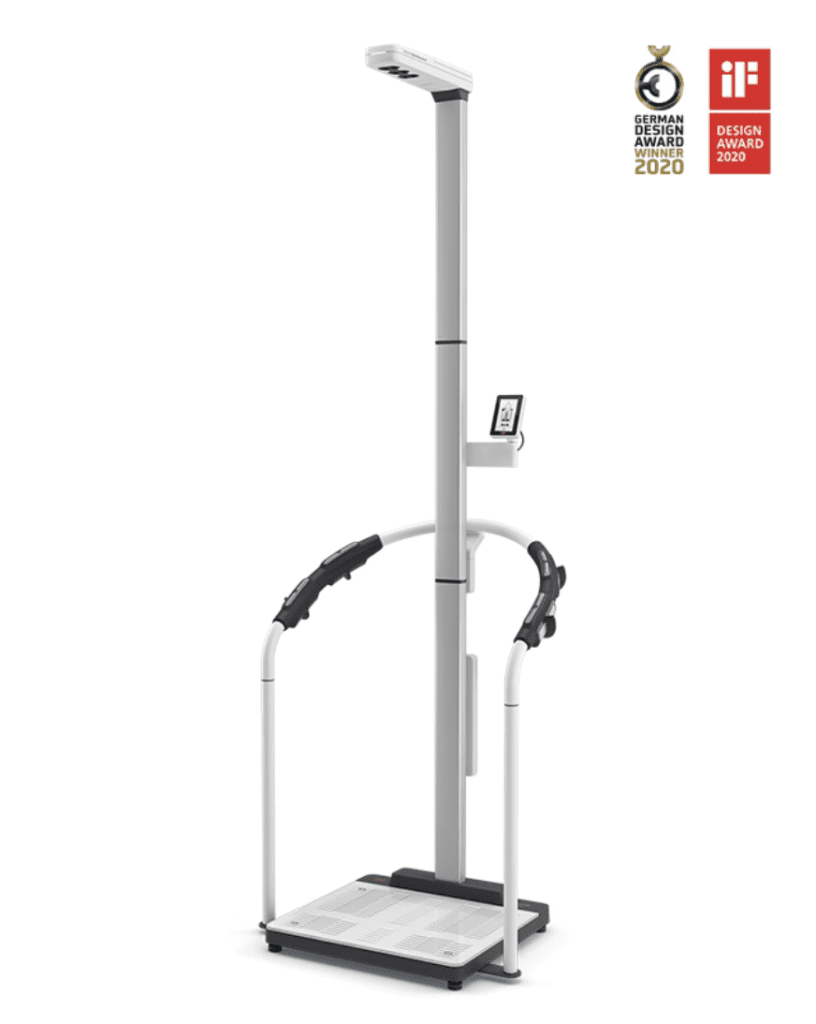
At Bruce Wellness and Aesthetics, we leverage medically validated SECA body composition analyzers to provide detailed insights into your health. These analyzers measure fat mass, muscle mass, water retention, and more, offering critical data to guide therapeutic decisions effectively. This analysis enhances both surgical and medical weight loss plans, ensuring patients have the information they need to achieve long-term success.