
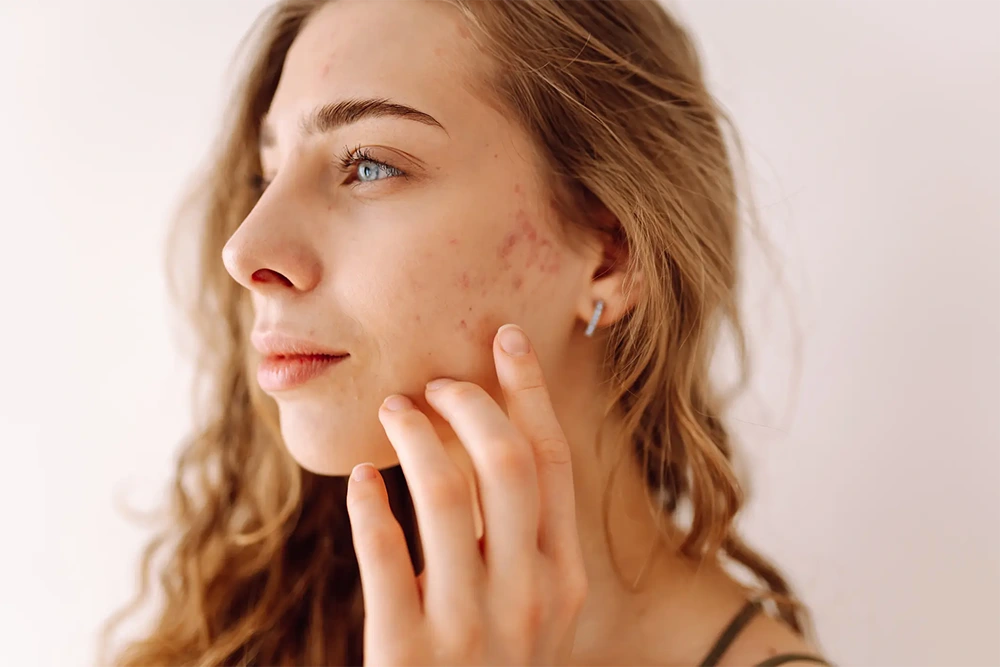
CO2 laser for acne scars is a type of laser skin resurfacing treatment designed to improve skin texture by targeting damaged layers of the skin. By creating controlled micro-injuries, the laser stimulates collagen production and encourages the skin to renew itself over time. This process helps soften the appearance of acne scars while supporting smoother, more even skin.
At Bruce Wellness and Aesthetics in Cary, NC, CO2 laser treatments are approached as a structured process that includes preparation, recovery, and long-term skin renewal. Understanding what to expect after treatment is an important part of achieving optimal results. With proper care and realistic expectations, patients can navigate the recovery period more confidently and see gradual improvements in their skin over time.
Understanding CO2 Laser for Acne Scars
CO2 laser for acne scars is a form of laser skin resurfacing that targets damaged skin layers to improve texture and overall appearance. The treatment works by delivering controlled energy into the skin, creating microscopic channels that stimulate the body’s natural healing response. This process encourages collagen production, which plays a key role in smoothing uneven skin and reducing the visibility of acne scars.
Rather than providing immediate surface-level changes, CO2 laser treatment is designed to support gradual skin renewal over time. As new collagen forms and the skin rebuilds, patients may notice improvements in tone, texture, and overall clarity. This makes it a structured, results-driven option for individuals looking to address acne scarring more comprehensively.
How CO2 Laser Targets Acne Scarring
CO2 laser targets acne scars by creating precise micro-injuries in the skin, which trigger a healing response that promotes collagen remodeling. This helps break down scar tissue while encouraging the formation of healthier, smoother skin.
At Bruce Wellness and Aesthetics, treatments are performed with a focus on controlled energy delivery and skin safety. This approach allows providers to customize the depth and intensity based on the type and severity of acne scarring.
The Role of Laser Skin Resurfacing in Skin Renewal
Laser skin resurfacing plays a key role in renewing the skin by removing damaged outer layers and stimulating deeper tissue repair. This process helps improve overall skin tone and texture while supporting long-term collagen production.
As the skin heals, new cells replace older, damaged ones, leading to a smoother and more even appearance. Over time, this ongoing renewal process contributes to visible improvements in acne scars and overall skin quality.
The CO2 Laser Treatment Process
CO2 laser treatment is performed as a structured, multi-step process designed to support both safety and effective skin renewal. From the initial consultation through the treatment session, each phase is carefully planned to ensure the laser settings, depth, and approach are appropriate for the patient’s skin type and acne scarring. This level of customization helps create more controlled outcomes and supports a smoother recovery experience.
At Bruce Wellness and Aesthetics, the treatment process is guided by a focus on preparation, precision, and patient comfort. Taking the time to evaluate the skin and outline expectations properly allows patients to feel more confident going into treatment. This approach also helps ensure that results develop gradually and align with long-term skin health.
Pre-Treatment Consultation and Preparation
Before treatment, patients undergo a detailed consultation to assess skin concerns, acne scarring type, and overall skin condition. This step helps determine whether CO2 laser is the right option and allows providers to tailor the treatment plan accordingly.
Preparation may include:
- A comprehensive review of medical history and skin concerns
- Guidance on pausing certain skincare products or treatments
- Avoiding sun exposure to reduce sensitivity before treatment
- Pre-treatment skincare recommendations to support optimal results
What Happens During a CO2 Laser Session
During a CO2 laser session, the skin is carefully prepared and treated using controlled laser energy to create microscopic channels that stimulate collagen production. The process is performed with attention to both precision and patient comfort.
During treatment, patients can expect:
- Cleansing of the skin followed by application of a topical numbing agent
- Controlled, even delivery of laser energy across targeted areas
- A monitored process to ensure appropriate depth and consistent coverage
- Post-treatment care instructions to support healing and recovery
CO2 Laser Recovery Timeline
Recovery after CO2 laser treatment follows a structured timeline as the skin moves through phases of healing and renewal. Because the treatment works by creating controlled micro-injuries, the body responds by repairing and rebuilding the skin over time. This process is gradual, with visible changes developing as the skin heals and new collagen forms.
At Bruce Wellness and Aesthetics, patients are guided through each stage of recovery with clear expectations and aftercare support. Understanding how the skin responds in the first few days and in the weeks that follow helps patients feel more prepared and confident. This approach also supports better healing and more consistent long-term results.
Immediate Aftereffects and the First Few Days
In the first few days after treatment, it is common to experience redness, swelling, and a sensation similar to a sunburn. The skin may feel warm, tight, and sensitive as the initial healing process begins.
As the skin starts to recover, patients may notice dryness, flaking, or peeling as damaged skin cells are shed. Following post-treatment care instructions closely during this phase is important to support healing and minimize irritation.
Healing Progress in the Weeks Following Treatment
In the weeks following treatment, the skin continues to heal as redness gradually fades and new skin begins to form. Texture may start to feel smoother, and early improvements in acne scarring can become more noticeable.
Over time, collagen production continues beneath the surface, supporting ongoing skin renewal and refinement. This gradual process allows results to develop in a way that looks natural and improves skin quality over the long term.
Results After CO2 Laser Treatment
Results after CO2 laser treatment develop gradually as the skin moves through its natural healing and regeneration process. While some initial improvements in texture may be noticeable early on, the most significant changes occur over time as collagen production increases. This ongoing renewal helps improve the appearance of acne scars while supporting smoother, more even skin.
Because the treatment works beneath the surface, results are not immediate but instead build progressively over several weeks to months. Patients can expect continued refinement in skin texture, tone, and overall clarity as healing progresses. This gradual improvement allows results to appear more natural and consistent with the skin’s long-term health.
How Acne Scars Improve Over Time
CO2 laser treatment improves acne scars by stimulating collagen remodeling, which helps smooth uneven texture and soften the appearance of scar tissue. As new collagen forms, the skin becomes more structured and resilient, leading to visible improvements over time.
At Bruce Wellness and Aesthetics, this process is approached with a focus on gradual, long-term skin renewal. Patients often notice that scars appear less defined and the overall skin surface looks more even as healing continues.
Factors That Influence Final Results
Several factors can influence the final results of CO2 laser treatment, including the severity of acne scars, skin type, and adherence to post-treatment care. Consistency with aftercare instructions plays a key role in supporting proper healing and optimizing outcomes.
To better understand how results can vary, patients are encouraged to explore the before-and-after gallery, where real patient outcomes highlight the progression of improvement over time. This provides a clearer picture of how skin can continue to refine and improve following treatment.
Side Effects and Safety Considerations
CO2 laser treatment is designed to support skin renewal, but like any advanced laser procedure, it involves a healing process that may include temporary side effects. Because the treatment works by creating controlled micro-injuries in the skin, it is normal for the body to respond with inflammation as part of the recovery process. Understanding these effects ahead of time helps patients feel more prepared and better equipped to manage the healing phase.
When performed with proper technique and guided aftercare, CO2 laser treatment is generally well-tolerated and considered safe for appropriate candidates. Following post-treatment instructions closely plays an important role in minimizing complications and supporting optimal results. Clear communication with your provider throughout recovery also helps ensure any concerns are addressed early.
Common Side Effects of CO2 Laser Treatment
Common side effects after CO2 laser treatment include redness, swelling, and a sensation similar to a sunburn in the treated area. The skin may also feel dry, tight, and sensitive as it begins to heal.
As recovery progresses, patients often experience flaking or peeling as damaged skin is shed and replaced with new skin cells. These effects are expected and typically improve gradually over the following days.
Less Common Risks and When to Contact Your Provider
Less common risks may include prolonged redness, changes in skin pigmentation, or delayed healing in certain cases. While these effects are not typical, they can occur depending on skin type, treatment intensity, and adherence to aftercare.
At Bruce Wellness and Aesthetics, patients are encouraged to stay in contact with their provider throughout the recovery process. If symptoms such as excessive swelling, unusual discomfort, or signs of infection occur, reaching out promptly helps ensure appropriate care and support.
Advanced Laser Options for Acne Scars
While CO2 laser is a well-established option for treating acne scars, advanced technologies now allow for more customizable and targeted approaches to skin resurfacing. These options are designed to address different layers of the skin using a combination of ablative and non-ablative energy, helping to improve both surface texture and deeper structural concerns. This added flexibility allows treatments to be tailored based on scar type, skin condition, and overall treatment goals.
At Bruce Wellness and Aesthetics, advanced laser systems are used to create a more controlled and comprehensive approach to skin rejuvenation. By combining multiple technologies within a single treatment, providers can adjust intensity and depth while supporting a more balanced recovery process. This approach helps improve outcomes while maintaining a focus on safety and long-term skin health.
Alma Hybrid Laser and Dual-Wavelength Technology
The Alma Hybrid Laser combines ablative CO2 energy with non-ablative wavelengths to treat both the surface and deeper layers of the skin. This dual-wavelength technology allows providers to customize treatment intensity based on the severity of acne scarring and the patient’s skin type.
By addressing multiple layers of the skin at once, this approach supports more comprehensive skin renewal. It can help improve texture, tone, and overall skin quality while allowing for a more controlled recovery compared to traditional single-modality treatments.
The Role of 1570 nm Lasers in Skin Rejuvenation
1570 nm lasers are a non-ablative technology designed to target deeper layers of the skin without removing the outer surface. This allows for collagen stimulation and skin remodeling while minimizing disruption to the top layer of the skin.
When incorporated into combination treatments, 1570 nm lasers can enhance overall results by supporting deeper tissue repair alongside surface resurfacing. This contributes to smoother, more even skin over time while helping to balance effectiveness with recovery.
Is CO2 Laser Right For Your Skin?
CO2 laser treatment may be a suitable option for individuals looking to improve the appearance of acne scars, uneven texture, and overall skin quality. Because the treatment works by stimulating collagen and resurfacing damaged skin, it is often recommended for patients seeking more noticeable, long-term improvement rather than temporary results. However, candidacy depends on factors such as skin type, scar severity, and overall skin health.
A personalized consultation is essential to determine whether this treatment aligns with your goals and expectations. During this process, providers assess your skin, review your medical history, and recommend a tailored approach based on your needs. This helps ensure that treatment is both safe and effective while supporting realistic, achievable outcomes.
Why Trust Bruce Wellness and Aesthetics for CO2 Laser in Cary, NC
Bruce Wellness and Aesthetics in Cary, NC, offers a patient-centered approach to CO2 laser treatment, focusing on precision, customization, and long-term skin health. Each treatment plan is developed based on a detailed evaluation of the patient’s skin, allowing providers to adjust settings and techniques for optimal results.
The team emphasizes education, preparation, and ongoing support throughout the entire process. This structured approach helps patients feel confident in their treatment plan while ensuring that results develop safely and consistently over time.
Expert Care for Advanced Laser Skin Treatments
Advanced laser treatments require both technical expertise and a thorough understanding of skin physiology to achieve safe and effective outcomes. By using modern laser technology and customized treatment protocols, providers can address a range of skin concerns while maintaining control over depth and intensity.
To get started, visit Bruce Wellness and Aesthetics at 160 MacGregor Pines Drive, Suite 310A, Cary, NC 27511, call (919) 390-2848, or visit the online contact page to schedule your consultation. This final step allows patients to receive expert guidance and begin a treatment plan designed to support safe, natural-looking skin improvement over time.